
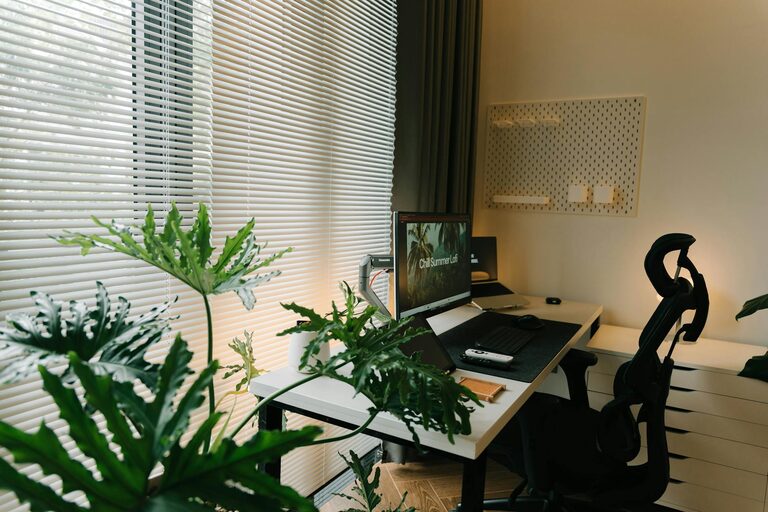
Creating a Relaxing and Productive Home Office Environment
Setting up a home office that balances productivity with relaxation can make a big difference to your work life. Whether you’re new to working from home or looking to improve your current setup, a well-designed workspace helps you stay focused and reduces stress. In this post, we’ll explore simple and effective tips to create a home office environment that works for you.
Choose the Right Location
Consider natural light and quiet
Select a space in your home that receives plenty of natural light. Sunlight improves mood and alertness, making it easier to concentrate. Avoid areas that are noisy or prone to distractions, such as busy living rooms or kitchens if possible.
Make use of unused spaces
If you don’t have a dedicated room, think about converting a corner, a nook, or even a section of your bedroom into a functional workspace. The key is to clearly define this area as your office to mentally separate work from leisure.
Invest in Comfortable and Functional Furniture
Ergonomic chair and desk
Comfort is vital when you spend hours sitting and working. An ergonomic chair supports good posture and reduces the risk of back pain. Pair it with a desk of suitable height to promote a natural arm and wrist position.
Organised storage solutions
Clutter can cause stress and disrupt focus. Use shelves, drawers or filing cabinets to keep documents and office supplies neatly organised. This will help maintain a clean and tidy environment.
Use Calming Colour Schemes
Colours affect mood and concentration, so choose shades that encourage relaxation and focus. Soft blues, greens or neutral tones are popular choices for home offices. Avoid overly bright or harsh colours that may feel distracting or overwhelming.
Personalise Without Overcrowding
Add elements that inspire you, like plants, artwork or photos. Plants not only brighten up the space but also improve air quality and reduce stress. Just be careful not to overcrowd your desk with items that could become distractions.
Optimise Lighting
Besides natural light, good artificial lighting is essential, especially during darker months or late working hours. Use a combination of overhead lights and desk lamps to reduce eye strain. Adjustable lighting can help you adapt to different tasks.
Control Noise and Distractions
If you can’t escape background noise, consider noise-cancelling headphones or white noise machines. Use apps or timers to manage your work sessions and keep focused breaks, helping minimise interruptions and procrastination.
Keep Technology Efficient and Organised
Declutter your digital space
Keep your desktop and files organised for easy access. Unnecessary apps or notifications can disrupt productivity. Set your devices to “Do Not Disturb” mode during work sessions when possible.
Reliable internet and equipment
A strong internet connection and functional tech—such as your computer, printer and phone—are essential for smooth workdays. Regularly update software and keep cables tidy to avoid frustration.
Establish Daily Routines and Boundaries
Create clear working hours to separate your professional time from personal life. Start your day with a routine, like making coffee or stretching, to signal your brain that it’s time to focus. When your workday ends, physically leave the workspace to help switch off.
Incorporate Movement and Breaks
Sitting for long periods can affect your health and energy levels. Set reminders to stand, stretch or take short walks. These breaks can refresh your mind and improve overall productivity.
Maintain Air Quality and Temperature
A fresh, well-ventilated office space helps you feel alert and comfortable. Open windows regularly or use air purifiers if needed. Keep the temperature moderate—too hot or too cold environments can impair concentration.
—
Creating a relaxing and productive home office environment doesn’t require a complete overhaul of your space. With thoughtful choices about location, furniture, lighting, and routines, you can design a workspace that supports your well-being and work goals. Take small steps to improve your home office today and enjoy a more enjoyable and efficient work-from-home experience.
