Tips for Creating a Relaxing and Productive Home Office Environment
Creating a home office that is both relaxing and productive can make a significant difference to your work-from-home experience. Balancing comfort with efficiency helps you stay focused, reduces stress, and allows you to enjoy your workday. Whether you’re setting up a new space or improving an existing one, these practical tips will guide you in designing an environment where you can thrive.
Choose the Right Location
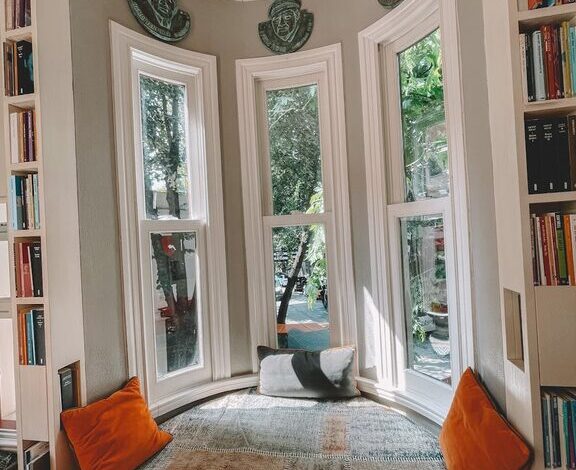
The first step in creating an effective home office is selecting the ideal spot. Look for a quiet area with minimal distractions, preferably away from busy parts of the house. If possible, pick a room or corner with natural light, which is proven to enhance mood and energy levels. Avoid cramped spaces or areas that you associate with relaxation or leisure to help maintain a professional mindset.
Invest in Comfortable and Functional Furniture
Desk and Chair
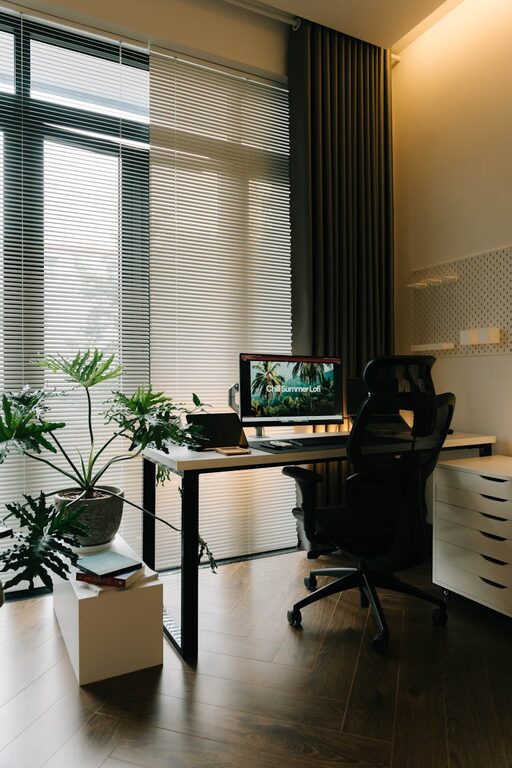
Comfort is crucial to prevent fatigue and maintain productivity. Choose a desk that fits your work needs, with enough surface area for your computer, documents, and other tools. Opt for an adjustable chair that provides good support for your back and encourages good posture. Spending a bit more on quality furniture can be a worthwhile investment in your health and efficiency.
Organisers and Storage
Clutter can disrupt concentration and increase stress. Use shelves, drawers, or filing cabinets to keep your workspace tidy. Desk organisers, cable management solutions, and storage boxes can help sort stationery and gadgets neatly. A clear workspace simplifies your day and creates a calm environment.
Optimise Lighting
Proper lighting is essential for reducing eye strain and maintaining energy. Natural light is best, so position your desk near a window if possible. Complement it with adjustable task lighting, such as a desk lamp, to illuminate your work area during darker hours. Avoid harsh overhead lights or overly bright bulbs that can cause glare or discomfort.
Create a Calming Atmosphere
Colours and Decorations
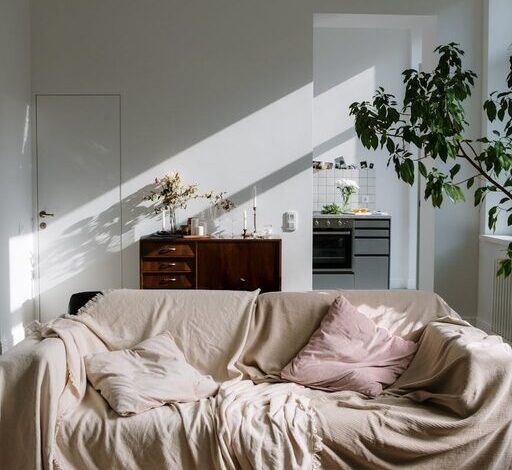
Choose soft, neutral colours for walls and furniture, which promote relaxation and focus. Avoid overly bright or noisy patterns that might distract you. Add personal touches like plants, artwork, or photos that inspire you but don’t overcrowd your space. Indoor plants are especially beneficial as they improve air quality and add a touch of nature.
Sound and Smell
Noise can be a major distraction. Use noise-cancelling headphones, a white noise machine, or soft background music to mask disruptive sounds. Pleasant scents like lavender, eucalyptus, or citrus can promote calmness and alertness, so consider a diffuser or scented candles—but always use them safely.
Establish Clear Boundaries
Working from home can blur the lines between professional and personal time. Set specific hours for work and communicate these with household members. Use a dedicated workspace and avoid working in bed or on the sofa to foster a clear separation between work and relaxation zones.
Prioritise Technology and Connectivity
Reliable technology and internet connection are vital for smooth workdays. Ensure your computer, printer, and other devices are up to date and functioning properly. Set up your workspace so that wires and devices are organised and easily accessible. Consider investing in ergonomic accessories like a wireless keyboard, mouse, or monitor stands to reduce strain.
Practise Good Habits
Take Regular Breaks
Short breaks throughout the day help maintain focus and prevent burnout. Use techniques such as the Pomodoro timer—working for 25 minutes followed by a five-minute break. Stand up, stretch, or take a brief walk to refresh your body and mind.
Keep Hydrated and Nourished
Drink plenty of water and eat balanced meals to stay energised. Keep a water bottle on your desk and healthy snacks nearby to avoid unnecessary trips to the kitchen.
Personalise Your Workflow
Everyone works differently. Experiment with your daily routine, organisation methods, and workspace setup to find what suits you best. Having flexibility and control over your home office environment can help you feel more comfortable and motivated.
—
Creating a relaxing and productive home office doesn’t require a big budget or a lot of space. With these tips, you can develop a workspace that fosters focus, reduces stress, and makes working from home a positive experience. Remember, the goal is to create a space that feels inviting and supports your best work.