
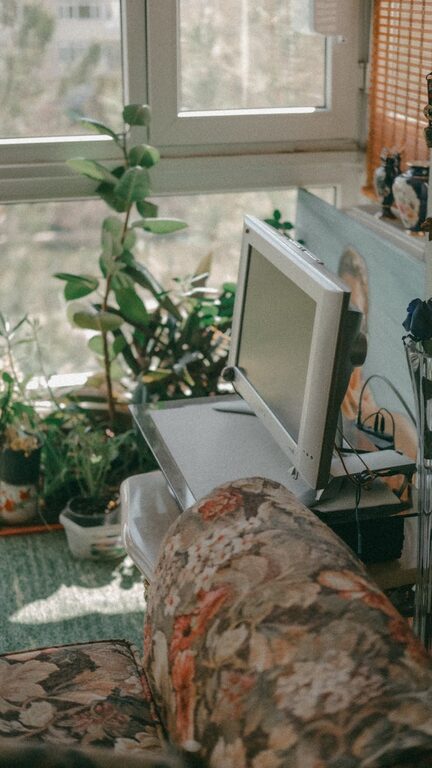
Tips for Creating a Relaxing Home Environment to Boost Wellbeing
In today’s busy world, having a relaxing home environment is essential for maintaining good wellbeing. Your home should be a place where you can de-stress, recharge, and feel at ease. With a few thoughtful changes and mindful habits, you can turn your living space into a peaceful sanctuary. This post shares practical tips to help you create a calming atmosphere that promotes relaxation and enhances your overall wellbeing.
Why a Relaxing Home Environment Matters
The space where you live significantly affects your mood and stress levels. Clutter, poor lighting, and noisy surroundings can increase tension and reduce your ability to unwind. On the other hand, a serene home environment supports rest, mindfulness, and positive energy, which all contribute to better mental and physical health. Investing time and effort into making your home more relaxing pays off in everyday comfort and happiness.
Declutter and Organise for Calmness
A cluttered space can overload your senses and make it hard to relax. Start by tidying up areas where you spend most of your time.
– Clear surfaces: Remove unnecessary items from tables, shelves, and counters to create a cleaner look.
– Use storage solutions: Boxes, baskets, and shelves help keep things organised and out of sight.
– Regular maintenance: Set aside a few minutes daily or weekly to keep clutter at bay.
Organising your home not only improves its appearance but also gives you a sense of control and calm.
Choose Soothing Colours and Textures
Colours and textures in your home influence your mood. Soft, muted colours tend to create a peaceful vibe, while vibrant and bold tones can be stimulating.
– Opt for neutral shades: Whites, creams, soft greys, and pastel tones are calming choices.
– Incorporate natural materials: Wood, cotton, linen, and wool add warmth and comfort.
– Mix textures: Combining smooth and tactile surfaces can make your space inviting and cosy.
Consider repainting walls or adding cushions, throws, and rugs in these colours and textures for a gentle, welcoming feel.
Let in Natural Light and Fresh Air
Exposure to natural light boosts serotonin levels, improving mood and energy. Fresh air helps clear your mind and refresh your living space.
– Open windows daily: Even a short period of ventilation helps reduce indoor pollutants.
– Use sheer curtains: They allow sunlight to filter through while maintaining privacy.
– Place mirrors strategically: Reflect natural light to brighten darker corners.
If natural light is limited, invest in quality lighting that mimics daylight to keep rooms bright and cheerful.
Create Comfortable and Inviting Spaces
Having dedicated areas for relaxation encourages you to take regular breaks and practise self-care. Think about creating cosy nooks or arranging furniture to promote comfort.
– Add plush seating: Cushions, bean bags, or recliners invite you to sit back and relax.
– Use soft blankets and throws: These provide warmth and a soothing tactile experience.
– Include calming elements: Books, plants, or art pieces that you love can enhance tranquillity.
Make these spaces a retreat where you can read, meditate, or simply enjoy quiet moments.
Incorporate Nature Indoors
Bringing natural elements into your home connects you with the outdoors and promotes relaxation.
– Place indoor plants: They improve air quality and add calming greenery.
– Use natural fibres: Bamboo, jute, or rattan accessories create a fresh, earthy atmosphere.
– Include water features: Small fountains or aquariums can produce soothing sounds.
Caring for plants or watching fish swim can be therapeutic and help lower stress.
Minimise Noise and Distractions
Noise pollution at home can interrupt rest and increase anxiety. Look for ways to reduce disruptive sounds.
– Use soft furnishings: Rugs, curtains, and cushions absorb sound.
– Add white noise machines or calming music: Background sounds can mask unwanted noise.
– Create quiet zones: Choose low-traffic areas for relaxation spaces.
If possible, consider double glazing or draft-proofing windows to reduce external noise intrusion.
Establish Relaxing Routines and Rituals
A home environment is more than its physical aspects; habits help define how relaxing it feels.
– Set boundaries: Designate times when you switch off devices and focus on rest.
– Light candles or incense: Gentle scents such as lavender or chamomile create a calming ambiance.
– Practice mindfulness: Dedicate moments for meditation or deep breathing exercises.
Regular routines cue your body and mind to wind down, making your home a place of real respite.
Conclusion
Transforming your home into a relaxing haven doesn’t require major renovations or expensive purchases. Simple changes like decluttering, choosing calming colours, letting in natural light, and incorporating nature can significantly enhance your wellbeing. By fostering a peaceful environment and embracing mindful habits, you create a space where both your body and mind can truly relax.
Take small steps today to enjoy a more restful home tomorrow!
